
Updated
If you are choosing between several dating profile photos, start with the ones that show your current appearance clearly. Compare them at phone size, ask someone else what they notice, and keep the pictures that add different information. You do not need to replace every photo or manufacture a new personality.
The useful lesson from photo-selection research is that your favorite picture of yourself may not create the impression you expect. Here is a practical way to review a set before deciding whether you need new photographs.
- Separate a clear likeness from a flattering photo: your opener should do both.
- Ask for specific observations instead of an attractiveness score.
- Keep a photo when it adds something accurate; replace duplicates before adding more.
- Research on first impressions does not establish a formula for matches or relationships.
What the research actually tells us
In White, Sutherland and Burton's 2017 study, people chose profile images for themselves and unfamiliar people. Other people's selections produced more favorable impressions in subsequent ratings. The photo set came from 102 students, and the research compared impressions across dating, professional and social contexts.
That supports getting an outside view. It does not show that a stranger can predict your dating results, that one expression suits everyone, or that a photograph reveals someone's character. Ratings of perceived trustworthiness are impressions, not evidence that a person is trustworthy. The study measured image judgments, not successful dates.
Our worksheet below is an editorial application of that distinction, not a validated psychological test. Use it to find communication problems you can fix: an unclear face, an outdated appearance, a distracting crop, or several photos that repeat the same idea.
Start with a small, current shortlist
Make a private album of photos you would be comfortable using. Leave out images that no longer look like you, edits that change your features, and pictures you do not have permission to share. If a friend appears in a frame, ask before including them on a dating profile.
Then look at the shortlist on your phone. A landscape portrait that works on a laptop may turn into a tiny face in an app. Preview the actual crop before rejecting the image: sometimes a tighter crop solves the problem without another shoot.
Do not eliminate a picture just because it shows something you habitually criticize about yourself. First ask whether it is a clear, accurate photograph. Feedback should stay about the image, never become a list of things to change about your body.
See the difference between recognition and context
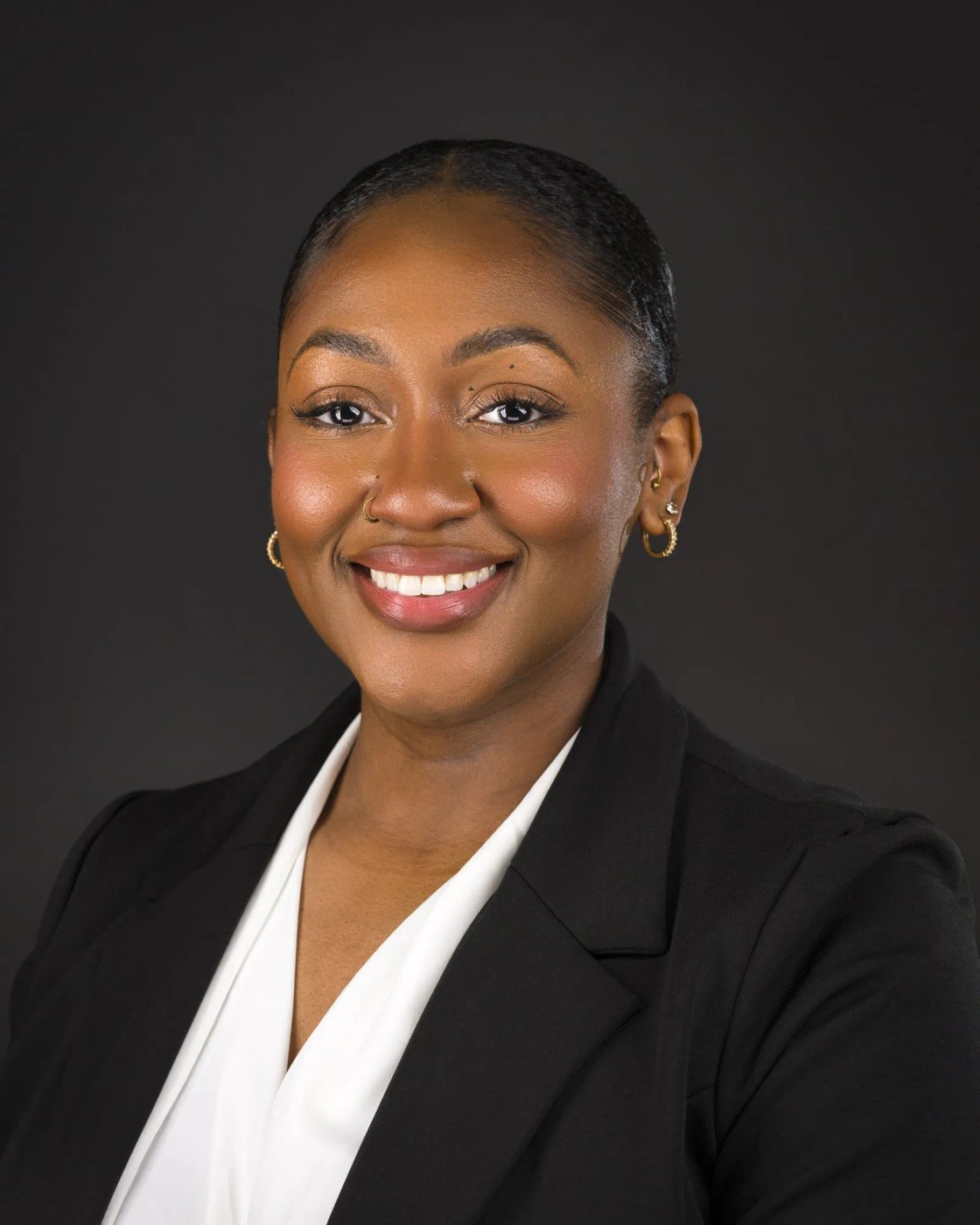
Recognition: a close portrait makes the face easy to see. Whether formal clothes fit your profile is a separate choice.
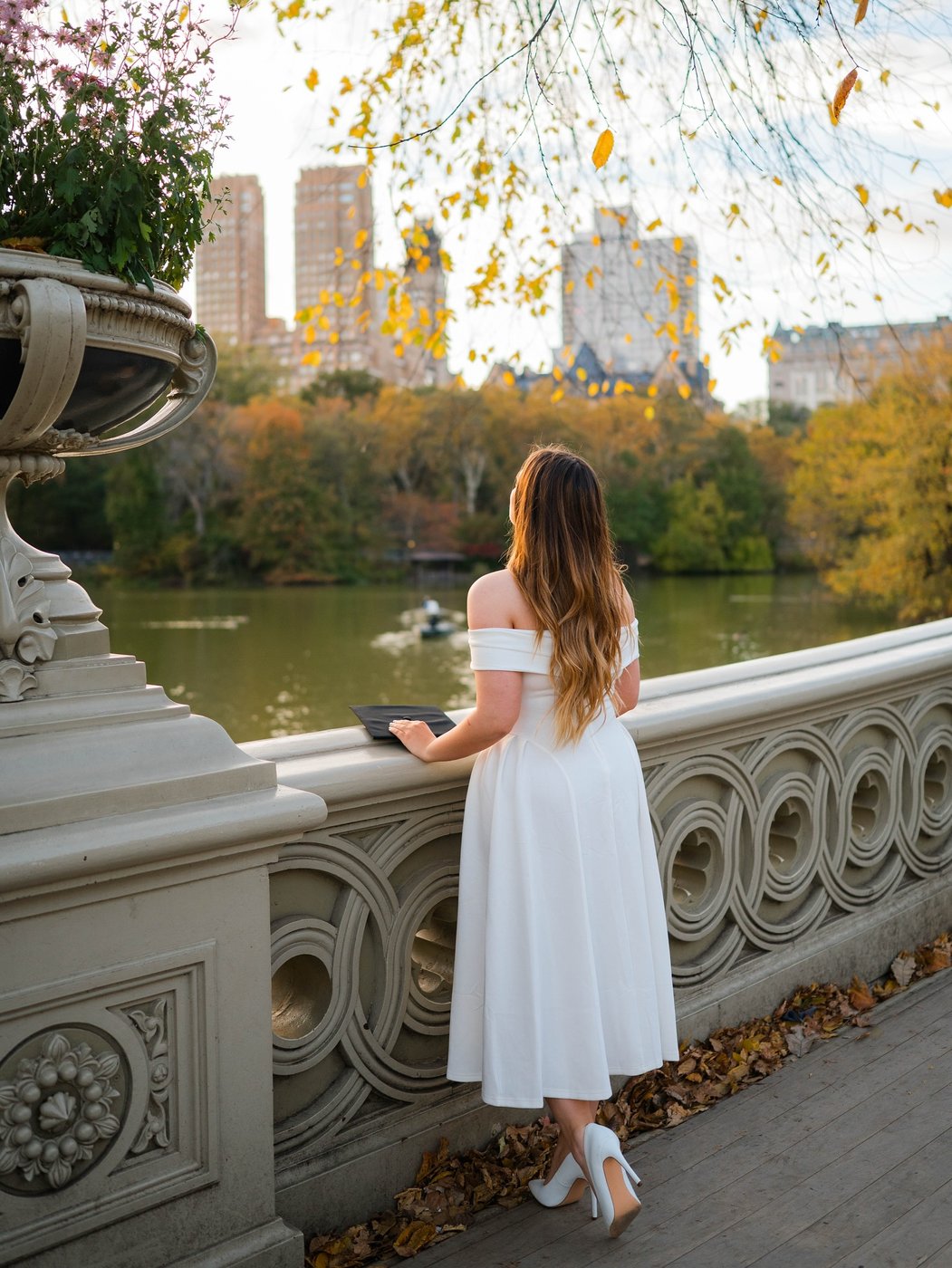
Context: a wider scene shows the setting, but this rear view cannot introduce a face. It serves a different purpose.
The header's close crop of eyes shows the other extreme: cropping too tightly can remove useful identifying information. Choose the crop for the job the image needs to do.
The comparison checklist
Use these questions for each candidate. Write a short answer instead of adding up points; a sharp image can still be out of date, and a beautiful background cannot compensate for an unreadable face.
| Check | What to look for | A useful next step |
|---|---|---|
| Recognition | Would someone meeting you today recognize you? | Replace an old look rather than editing it into a current one. |
| Clarity | Can you see your face at the displayed size? | Preview a closer crop; avoid cutting off important facial detail. |
| Expression | Does this feel like an expression you actually make? | Compare nearby frames, including a quieter smile or relaxed expression. |
| Context | Does the setting say something accurate about your life? | Keep meaningful context; remove props added only to imply status or a hobby. |
| Variety | What does this add that the other photos do not? | Keep the stronger of two near-identical portraits. |
| Comfort | Are you comfortable sharing this with unfamiliar people? | Remove revealing addresses, workplace details or other people's information. |
A candid is not automatically better than a posed photograph. Direction can help someone relax; an unplanned frame can be blurry or unrepresentative. Judge the result rather than how spontaneous it appears.
Which dating profile photo should go first?
Start with a current photograph where your face is easy to recognize at phone size. Check the app's crop: sunglasses, distant framing and a group scene can make an otherwise good picture harder to read. Choose an expression you are comfortable showing rather than trying to imitate an ideal pose.
One possible sequence is a clear face-first portrait, a wider view, then a real activity or setting you would enjoy discussing. This is an editorial starting point, not a research-tested ranking formula. Keep strong existing photographs and remove repetition before arranging the rest.
For specific planning examples, see our Hinge photo and prompt guide and Bumble photo session guide. If the gap requires a new session, compare current photography packages before choosing a scope.
Ask for feedback you can use
Show two or three candidates in the same crop and size to someone whose judgment you trust. Avoid announcing your favorite first. Ask:
- Which would make me easiest to recognize, and why?
- What do you notice before you notice me?
- Which two pictures feel repetitive?
- What would you ask me about from this set?
A friend can check whether the images resemble you. Someone less familiar with you can offer another first impression, if you are comfortable sharing. You do not need to upload private images to a public rating service.
If opinions differ, look for a concrete reason. “The background takes over” is actionable. “I just like this one” is a preference. Keep your own comfort as a deciding factor; outside feedback is input, not permission to represent yourself inaccurately.
Worked example: choose the useful photo, then fill one gap
Illustrative example, not a Signal client case: suppose your shortlist contains a recent close portrait, three nearly identical restaurant photos, an older travel picture, and a current photo from an activity you enjoy.
The close portrait is a sensible opener if the crop is clear. Keep the restaurant frame with the clearest expression, then remove the duplicates. Use the activity photo if it shows you understandably and you want to talk about that interest. Leave out the travel image if it no longer resembles you.
Now identify the gap. If everything is tightly cropped, you might want a wider, current portrait. That is a specific brief for a friend or photographer. It is more useful than booking a shoot with the instruction “make my profile better.” There is no need to replace a strong existing activity photo with a staged version.
For broader wardrobe and session planning, use our complete dating photo guide. This checklist is for selecting a set; it does not prescribe a universal number of photos or claim that an app rewards particular poses.
If you need new photos in NYC
Plan around the missing image. For a clear opener and a wider portrait, choose a nearby setting where you can pause comfortably and move without a complicated route. Share a meeting point, walking tolerance, clothing layers and any privacy concerns before the session. Confirm permission before planning pictures inside a café or other business; buying a drink does not establish photography access.
Bring the shortlist and say which photos you are keeping. An example brief is: “I already have an activity photo I like. I need a current face-forward portrait and one wider picture in clothes I actually wear. I prefer a quiet route and do not want recognizable workplace details.”
Compare NYC dating photography packages for the current session scope and approved prices. Discuss the exact route, deliverables and availability before booking. For platform-specific planning, see our Hinge, Bumble and Tinder services.
Have a specific photo gap?
Tell us which photographs you still need.
Share your preferred NYC area, timing and the images you want to add. You can compare packages and confirm the written scope before committing to a session.
Free inquiry. Review the creative professional, scope and quote before booking. Submitting an inquiry does not reserve a date.
Review the change without overreading it
Save a private note of what you changed and why. Recheck the crop after uploading. If you later compare responses, remember that who saw your profile, timing, prompts and app settings may also have changed. A few extra likes do not establish that one picture caused the difference.
The immediate test is simpler: can someone recognize you, understand the set, and find something real to ask about? Once that is true, leave room for the conversation.
If the comparison reveals a specific gap, use the professional photography versus DIY guide to decide how to fill it. For a paid refresh, the dating photoshoot price page shows exactly how session time, nearby settings and edited-photo counts differ. Keep the useful photographs you already have.


